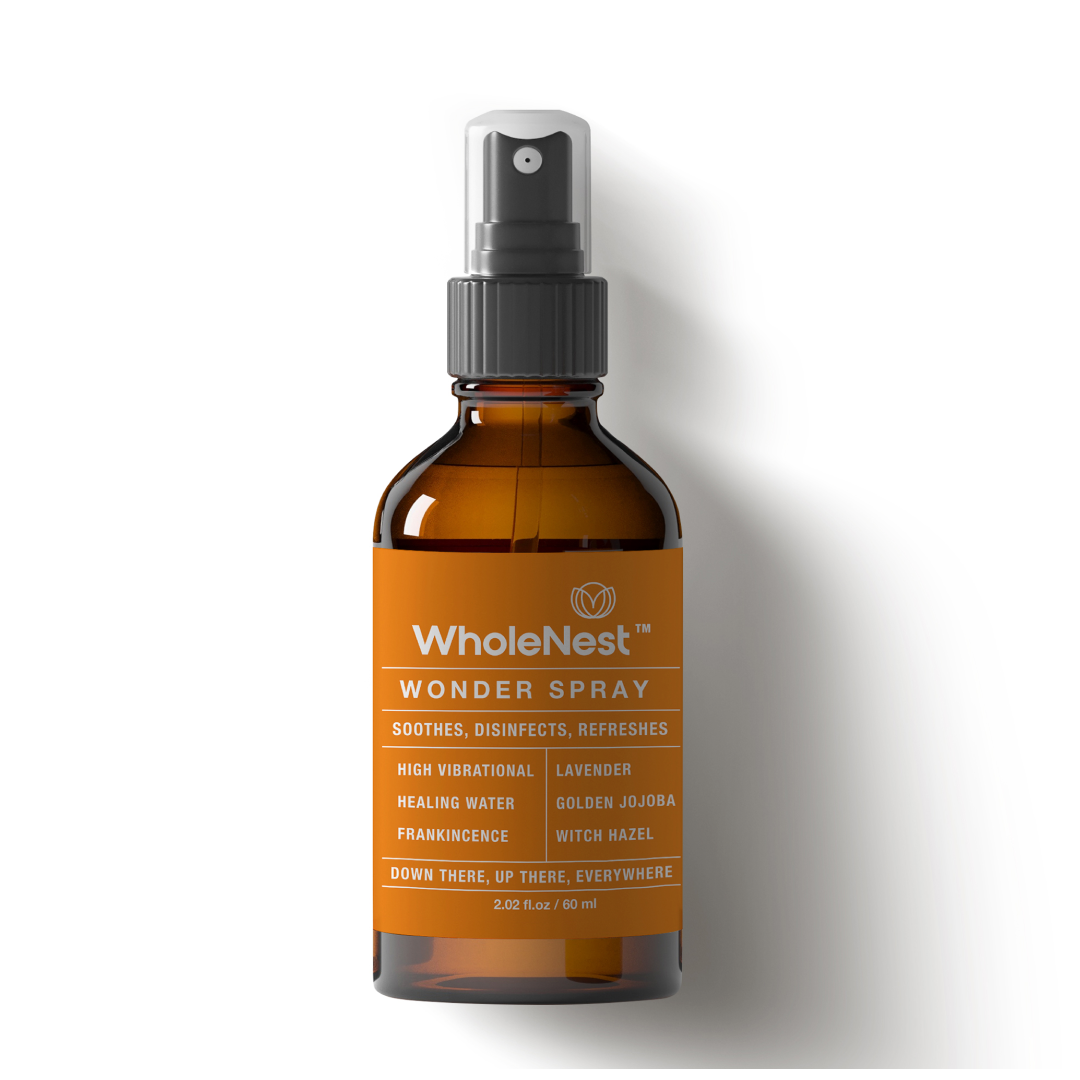


Nobody warns you that the first week home is mostly logistics. You’re sore, running on broken sleep, and trying to remember whether you took your own medication while a tiny person demands attention every two hours. In that state, you don’t want to hunt through a closet for witch hazel pads.
That’s the case for assembling a postpartum recovery kit before the baby arrives, and for thinking about it by location rather than by product category. Where will you be at 3 a.m.? In the bathroom, on the couch, or in bed. If the right things are already sitting in those spots, recovery gets easier without much effort from you.
“Natural” is a useful preference here, but it isn’t a guarantee of safety. Plant-based doesn’t automatically mean gentle on healing tissue or compatible with breastfeeding, so a few items below come with a reminder to check with your midwife or doctor first.
Start with the bathroom, because that’s where most of the healing happens
For many new mothers, the bathroom is where recovery feels most real. Bleeding continues for weeks after birth, and if you had a vaginal delivery, the perineum may be swollen, bruised, or stitched. Cesarean recovery brings its own needs, but the bathroom still matters.
Stock a small basket within arm’s reach of the toilet:
- A peri bottle. The hospital will likely send you home with one. A second means one can live upstairs and one downstairs. Warm water poured while you urinate can ease stinging, and rinsing instead of wiping spares tender skin.
- Soft, unscented pads. Postpartum bleeding is heavier than a period at first. Unscented options reduce the chance of irritation, and plain cotton tends to feel better than plastic-heavy ones.
- Cooling pad liners. Many people layer witch hazel pads or chilled herbal liners over a maternity pad for relief. If you have stitches, ask your provider before applying anything directly to the area.
- Disposable underwear or old, dark cotton pairs. You will not want to worry about your favorite pair.
- A squat stool or small footrest. Raising your knees can make bowel movements less strained. This matters more than people expect.
- A stool softener, if your provider recommends one. Fear of the first bowel movement is real. Your care team can suggest what’s appropriate for you.
The perineal tear first aid kit, assembled before you need it
Tearing is common in vaginal birth, ranging from minor grazes to injuries that need stitches. You can’t predict how yours will go, which is why a small, dedicated perineal tear first aid kit is worth building ahead of time. Keep it separate from the general basket, in a clean container, so you can grab it without sorting through everything else.
A reasonable version might contain:
- A fresh peri bottle reserved for rinsing only
- Maternity pads and cooling liners you’ve already chosen
- A shallow sitz bath basin that fits over your toilet seat, for warm soaks if your provider approves them
- A gentle, fragrance-free cleanser or just plain warm water. Soap isn’t required, and scented products can sting.
- A donut-style cushion or a rolled towel for sitting, though some midwives suggest lying on your side more often instead
- A handheld mirror, if you want to look. It’s optional, but some mothers find it reassuring to see what’s happening.
- A printed note listing your provider’s after-hours number and the symptoms that mean you should call
Herbal sitz soaks and healing balms are popular, and some work well for some people. The catch is that stitches are healing tissue, and certain herbs or oils can irritate it. Show your provider the specific products you’re considering before you use them.
Next, the feeding and resting station
The place where you’ll spend the most hours is wherever you feed the baby and try to rest. Whether you’re nursing, pumping, or using formula, this spot decides how restful the days feel.
Think of it as a landing zone:
- A large water bottle with a straw. You’ll forget to drink otherwise, and breastfeeding adds to thirst.
- Snacks you can eat one-handed. Nuts, dried fruit, oat bars, cheese sticks. Stock enough for both day and night.
- Nipple balm and soft breast pads, if you’re breastfeeding. Lanolin-free and plant-based balms exist, though if you or the baby have sensitivities, check the ingredients.
- A supportive pillow or two. Your back and arms will thank you.
- A phone charger with a long cord, because a dead phone at 4 a.m. is miserable.
- A small basket for burp cloths, wipes, and diapers, so you aren’t walking across the house with a newborn.
- A heating pad or warm compress, useful for afterpains, sore shoulders, and engorgement.
The kitchen counter and the freezer
Recovery happens partly through what you eat, and the first weeks are a bad time to plan meals. A few steps taken in advance make a difference:
- Freeze simple meals before the birth. Soups, stews, casseroles, and lentil dishes reheat easily.
- Keep gentle, fiber-rich foods around. Oatmeal, stewed fruit, and cooked vegetables help keep digestion moving, which matters if you’re recovering from tearing or surgery.
- Stock herbal teas you already know you like. Many mothers enjoy ginger, chamomile, or nettle. If you’re nursing, ask your provider about any herbs you haven’t tried before.
- Accept the casserole. Someone offering to cook is offering you recovery time.
Reliable food and water do a lot of the work that fancy products promise to do.
The postpartum care products people pick up and rarely use
Browsing postpartum care products can be overwhelming. Websites and baby stores present rows of bundles, each promising to cover everything. Before you spend, separate what you’ll use daily from what is nice to have.
Things most people reach for constantly:
- Pads, a peri bottle, and comfortable underwear
- A nipple balm, if breastfeeding
- A water bottle and one-handed snacks
- Pain relief approved by your provider
Things that depend on your birth and body:
- Abdominal binders, which some cesarean recoverers like and others find uncomfortable
- Sitz bath herbs, only if your care team agrees
- Compression socks or leg supports, if you’re prone to swelling
- A pelvic floor referral, which is worth asking about even if nothing feels wrong
Things often skipped:
- Scented sprays, bath salts, or oils used near healing skin
- Products promising to “speed up” healing without a clear reason to trust them
- Duplicate items you already own
A kit that fits your actual birth will serve you better than a pre-packed bundle designed for an average one.
Pack for your mind too
Physical recovery gets most of the attention, but the emotional shift after birth is just as real. Hormones drop quickly, sleep disappears, and many mothers feel weepy or anxious in the first days. That’s common and often passes, but it can also develop into something that needs treatment.
Add a few non-physical items to the kit:
- A short list of people you can text without explaining anything
- A reminder to ask for help with specific tasks like laundry, dishes, or walking the dog
- Your provider’s number and a postpartum support line, in case your mood feels heavy or frightening
- A comforting object, whether that’s a playlist, a book you can read in short bursts, or a blanket you love
Signs that mean call your provider, not Google
Even the best-stocked kit doesn’t replace medical care. Contact your midwife or doctor promptly if you notice:
- Bleeding that soaks through a pad in an hour, or large clots
- A fever, chills, or foul-smelling discharge
- Severe pain, a wound that opens, or swelling and redness around stitches
- Pain, swelling, or warmth in one calf
- Chest pain or trouble breathing (seek emergency care)
- Thoughts of harming yourself or the baby, or feelings that frighten you
Trust your sense that something is wrong. Providers would rather hear from you early.
Frequently asked questions
When should I put the kit together?
Somewhere in the third trimester works well, often around 34 to 36 weeks. That’s early enough to shop calmly and late enough that you know your due date is near.
Do I need separate supplies for a cesarean recovery?
Some overlap exists, such as pads, snacks, and a water bottle. Cesarean recovery also tends to call for high-waisted, soft underwear, a pillow to brace the incision when coughing, and extra attention to constipation and gentle movement. Follow your surgeon’s wound-care instructions.
Is it safe to use herbal products if I’m breastfeeding?
Not always. Some herbs pass into breast milk or may affect supply. Ask your provider or a lactation consultant before starting anything new.
What if I never tear? Did I waste money on the first aid items?
Most of what you’ve gathered, such as pads, a peri bottle, and cooling liners, is useful with or without a tear. Think of those items as general recovery supplies that happen to be ready if you need them.
Can someone else assemble this for me?
Yes, and it’s a good use of a friend’s offer to help. Give them a list, and they can set up the stations while you rest.
How long will I use these supplies?
Bleeding commonly tapers over several weeks, and tenderness fades at different rates for different people. Use the items as long as they help, and check in with your provider at your postpartum visit.
The takeaway
A good postpartum recovery kit isn’t a box of products. It’s a house arranged so that you can heal with minimal effort: the bathroom ready, a spot to feed and rest, food within reach, and a clear plan for when to get help. Build it before the baby arrives, show your provider anything you’re unsure about, and don’t feel pressure to buy everything.
If you’re still planning your shopping list, our guide on How to Build a Healing-Focused Baby Registry shows how to ask for the things that support your recovery, not just the baby’s.


