

Nobody warns you about the second night home.
The hospital had a call button, a bag of ice on request, and someone who knew where the extra pads were kept. At home, it's 2 a.m., the baby is finally asleep, and you're standing in the bathroom wondering why nothing you need is within reach.
Most packing lists for birth focus on the baby. This one is about you. The fifteen items below are grouped by the place in your house where you'll need them, because recovery is easier when supplies are already sitting where the problem shows up. Set them up in the last weeks of pregnancy, and your future self will be grateful.
A quick note before we start: every birth and every recovery is different. Check with your midwife or doctor about anything that applies to your situation, especially if you had stitches, a cesarean, or complications.
In the bathroom: your first-aid station
This is where most of your early recovery happens, so it deserves a dedicated spot, such as a basket on the counter or a shelf within arm's reach.
1. A peri bottle. The hospital will likely send you home with one. A squeeze bottle of warm water lets you rinse after using the toilet instead of wiping, which feels far gentler on tender skin. Keep a spare so one is always filled and ready.
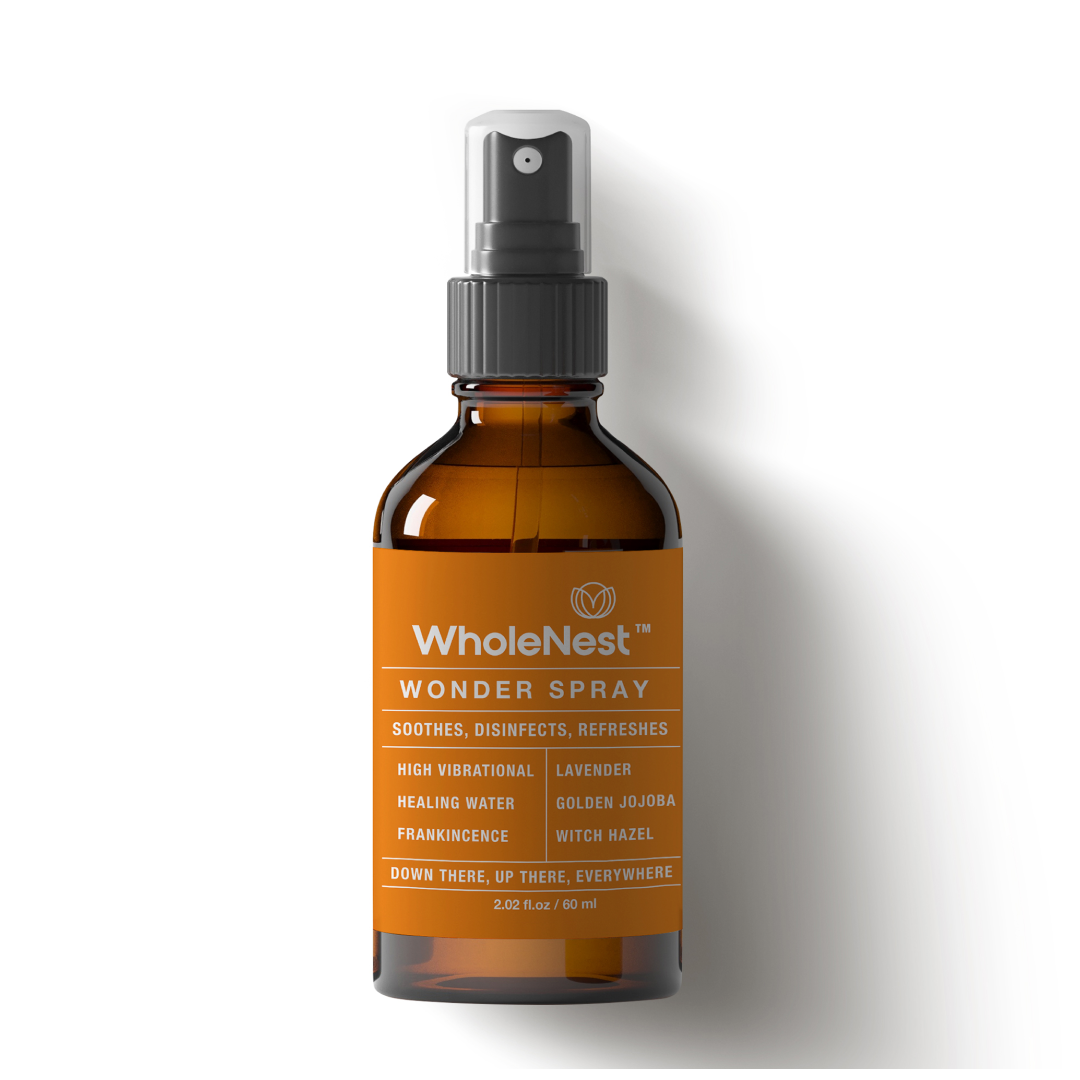
2. A soothing perineal spray. A postpartum perineal spray is a gentle, no-wipe way to freshen and cool the area between rinses. Look for a simple, fragrance-conscious formula, and read the ingredient list if you have sensitive skin. If you have stitches, ask your provider whether a particular product suits you. A perineal tear healing spray is typically meant to comfort and support the skin's recovery, not replace medical care, so follow the label and contact your provider if pain worsens or something looks wrong.
3. A sitz bath. A shallow basin that fits over your toilet seat lets you soak in warm water without running a full bath. Many providers suggest this after vaginal birth, but ask when it's appropriate for you.
4. Heavy-duty postpartum pads. Bleeding after birth, called lochia, can last for weeks and is heaviest early on. Buy long, absorbent pads designed for this stage, and have lighter ones ready for later.
5. Cooling pads. Alcohol-free witch hazel pads or chilled liners can feel pleasantly cold against sore skin. Some people prepare them in advance and keep them in the freezer, which is worth doing before labor starts rather than after.
In your dresser drawer: things that touch your skin
6. High-waisted, breathable underwear. Disposable mesh briefs are a popular choice because they're stretchy, forgiving, and you can toss them. If you had a cesarean, high-waisted styles that sit above the incision may be more comfortable.
7. Loose, forgiving clothing. Think soft robes, wide-leg pants, and button-front tops. Anything with a rigid waistband will annoy you. Aim for pieces that work for feeding and for visitors you didn't expect.
8. Abdominal support. Some mothers find a soft belly wrap or support band comforting for their core and lower back. Because suitability depends on how you delivered, ask your provider before using one.
On the nightstand: comfort you can reach lying down
9. A multipurpose balm. The Honey Lavender Magic Balm is the kind of everyday item that earns a place within reach: a soothing balm for dry or chafed skin, to be used according to its label. Check the ingredients against any allergies, and ask your provider or the product's instructions whether it's suitable for use around healing areas before applying it.
10. A large water bottle with a straw. Hydration affects how you feel, and you'll be sitting still under a baby more often than you expect. A bottle with a straw lets you drink without moving.
11. Snacks you can eat with one hand. Nuts, fruit, bars, and anything that doesn't need a plate. Eating regularly matters, and a night-feeding hunger hits hard.
12. A heating pad or warm compress. Warmth can ease aching backs and tight shoulders from holding and feeding. Choose one with an automatic shut-off, and keep the heat away from areas your provider told you to avoid.
For feeding and the long days
13. Nursing pads and a nipple balm. If you're breastfeeding, leaks and tenderness are common early on. Washable or disposable pads protect your clothes, and a balm made for nursing skin can bring relief. Whatever you choose, make sure it's safe for a baby who might nurse soon after.
14. Supportive nursing bras or tanks. Your size can change several times in the first weeks. Buying one or two soft, stretchy styles instead of a full set is usually wiser than stocking up before you know what fits.
One last item that isn't a product
15. A short list of people you can ask for help. Recovery isn't only physical. Having a friend who'll bring food, a relative who'll hold the baby while you shower, or a number for your care team when something feels off is as essential as anything on this list. Write the names down now, while you have energy.
How to set it up so it actually helps
A few small habits can make these supplies work harder:
- Build a bathroom basket with the peri bottle, spray, pads, and balm together, so you aren't hunting at night.
- Make a second station by your bed or feeding chair with water, snacks, nursing supplies, and a phone charger.
- Stock up on the small things first. You can order anything bulky once you've seen what you need.
- Check expiration dates on anything you buy early, and keep products in the conditions the label recommends.
When to call your provider
Products can soothe, but they can't diagnose. Reach out to your care team promptly if you notice heavy bleeding that soaks through pads quickly, fever, increasing pain or swelling, foul-smelling discharge, signs of a wound opening, or feelings of sadness or anxiety that don't ease. You don't have to wait for a scheduled appointment to ask.
The point of all this
The right postpartum care products won't make recovery effortless, but they take away small, avoidable frustrations during a stretch when you have very little spare patience. Gather your basics, put them where you'll use them, and let yourself rely on them.
If you're building a full recovery setup and want a deeper look at gentler, plant-based options, read our guide on Natural Postpartum Recovery Kit Essentials for New Mothers.


